
Aerospace Perspectives Series: Cutting the Cost of Qualifying Additive Flight Hardware 22 October 2026 | 1–2 p.m. (ET) Online
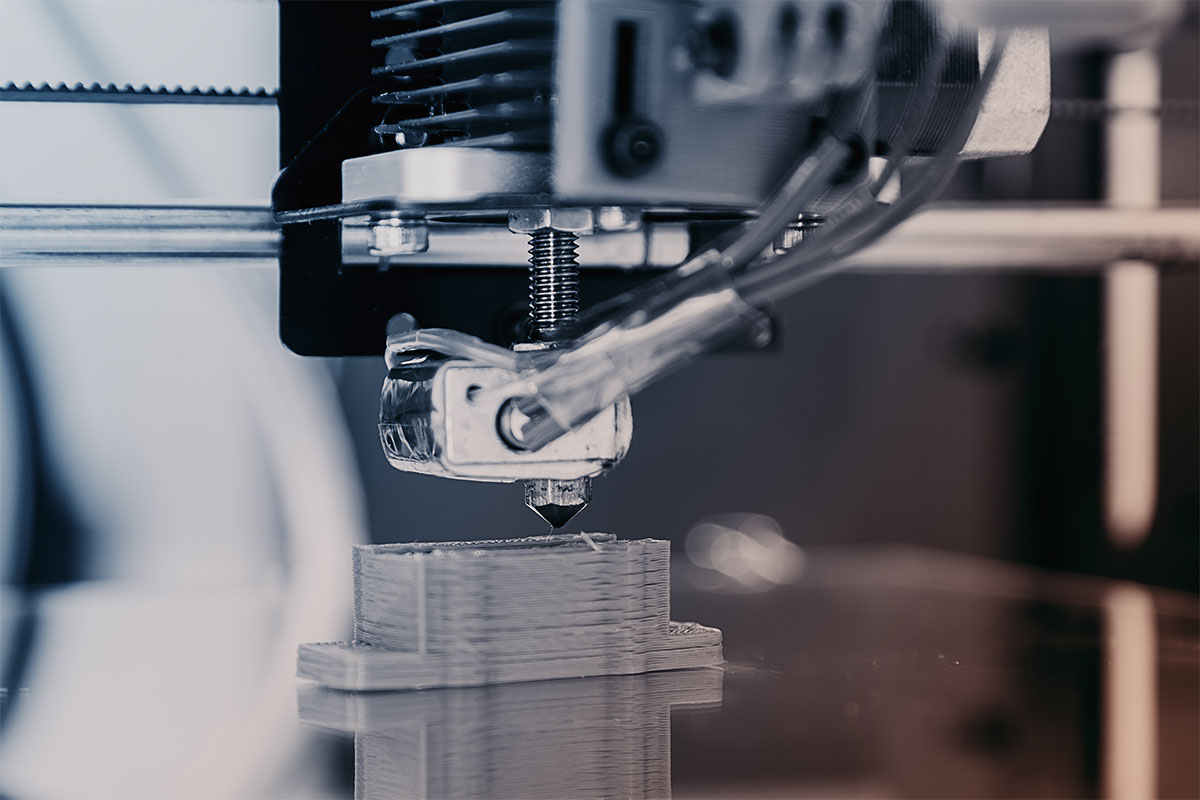
Quality makes up a large part of the cost of additive parts today, and the qualification cycle behind that cost still relies on coupon builds, destructive sectioning, and metallography.
Which parts of that bill can non-destructive testing retire? In this webinar, we’ll cover how industrial X-ray CT can measure porosity distribution, density, wall thickness, internal channel geometry, trapped powder, and lack of fusion directly in the flight part. We’ll show how that data maps to the evidence requirements in the frameworks aerospace programs already use, and where CT can replace or supplement destructive testing.
This webinar is relevant to engineers working on hardware such as turbine and engine components, rocket motors, castings and forgings, structural brackets and panels, and defense hardware, including energetics and UAS.
What you’ll learn:
- Where the real cost sits in an AM qualification program and which portions are addressable through NDT evidence.
- How CT-derived porosity, density, and geometry data map to existing aerospace qualification frameworks.
- What CT can and cannot resolve, including physics limitations based on material, wall thickness, and part envelope.
- How to build a defensible acceptance criterion and detectability argument.
- How teams can move from sampled inspection to 100% volumetric screening as production rates climb.
Speaker
 Evan Mathis
Enterprise Account Executive
Lumafield

Presented By