Related Filters: Student Competition

2026 International Rocket Engineering Competition (IREC)

The 2026 International Rocket Engineering Competition (IREC) will take place in Midland, Texas from June 15–20, 2026.

The Experimental Sounding Rocket Association (ESRA) is a non-profit organization founded in 2003 for the purpose of fostering and promoting engineering knowledge and experience in the field of rocketry. ESRA’s mission is to provide safe and exciting opportunities for academic groups to compete in aerospace challenges.

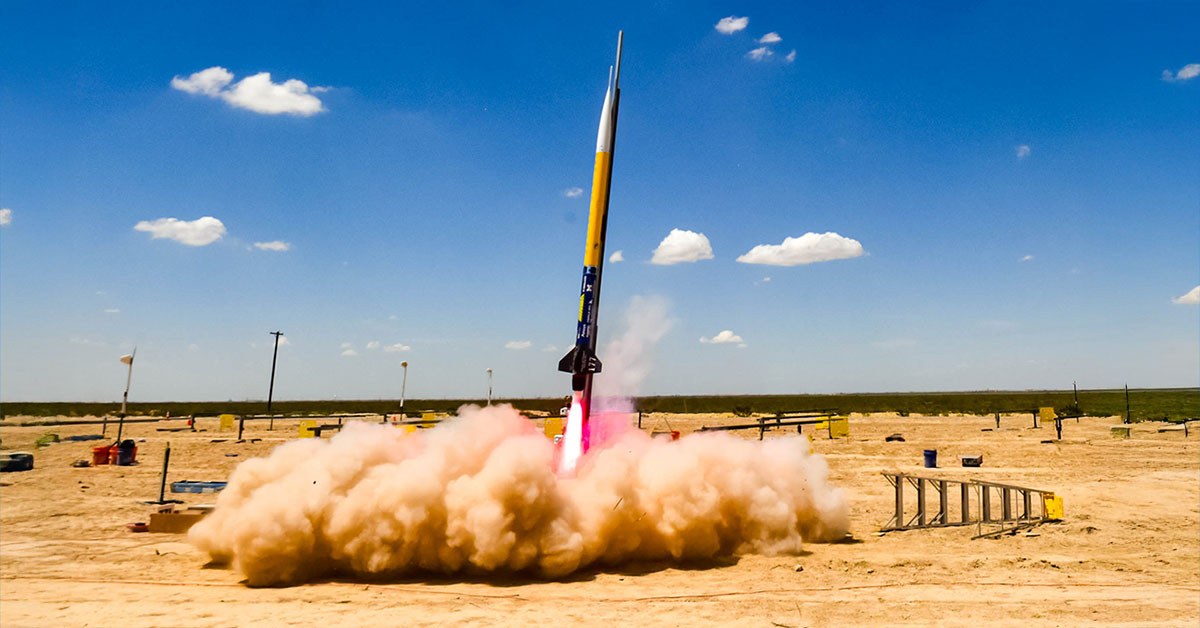
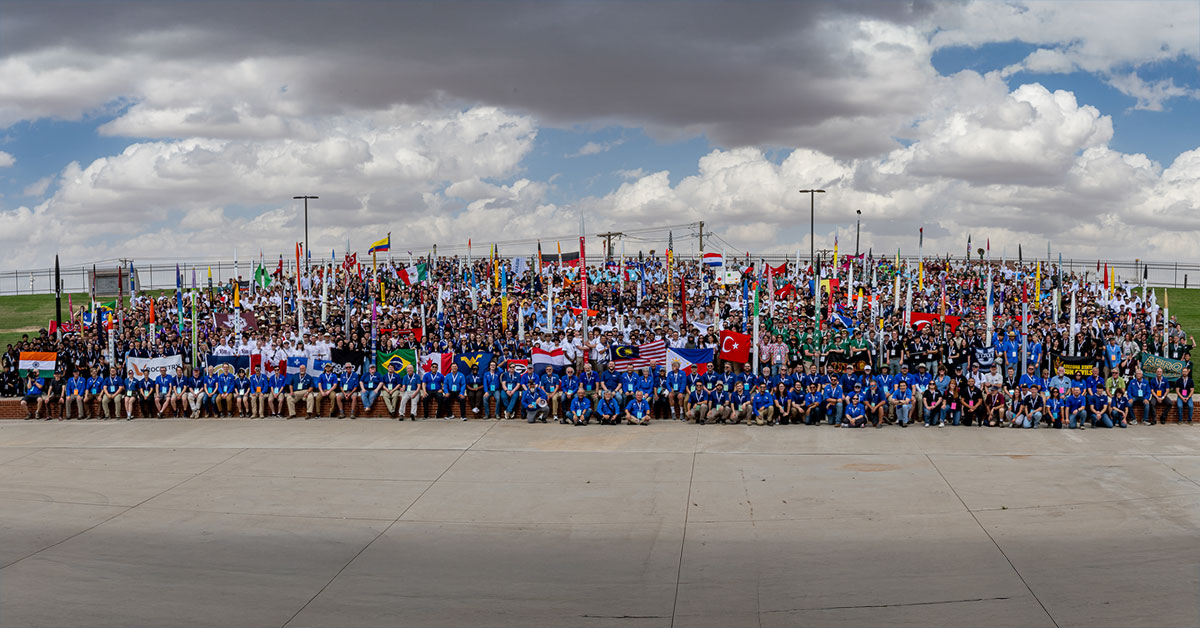
In 2006, ESRA established the International Rocket Engineering Competition (IREC) which has since grown from a handful of U.S. based collegiate teams to welcoming over 180 collegiate teams from 22 countries on 6 different continents. During the IREC each team designs, builds, tests and launches rockets with a payload size >2kg and target altitudes of 10,000 to 100,000 feet. Rockets are typically 4 to 8 inches in diameter and 8 to 20 ft. long. Multistage rockets and all chemical propulsion types (solid, liquid, and hybrid) are allowed.

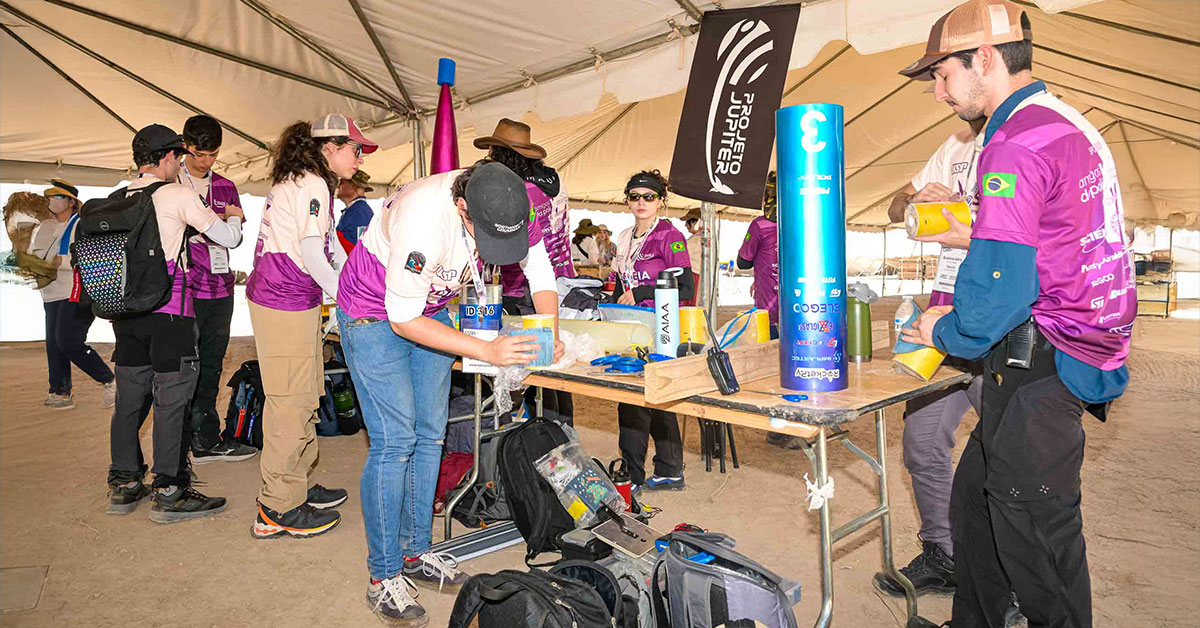
The IREC isn’t just a competition, it’s a launchpad for innovation and careers. This year, 175 teams have successfully applied and been accepted to participate in the 2026 IREC to push the limits of high-powered rocketry, applying classroom theory to real-world engineering challenges, and break new IREC records!

In partnership with the Experimental Sounding Rocket Association, AIAA is proud to support the world’s largest university rocket engineering competition.
Irec25 2
Irec25 1
Irec25 Teams
For more information about the competition, please visit: esrarocket.org


Organized by

Esra Logo


2026 American Rocketry Challenge National Finals

The American Rocketry Challenge, the world’s largest student rocket competition, has engaged over 100,000 middle and high school students in model rocketry. The challenge provides a yearlong opportunity to gain hands-on engineering experience by designing, building, testing, and launching model rockets to meet rigorous requirements. The program fosters leadership, teamwork, and problem-solving skills as students deepen their interest and passion for aerospace and STEM.

The Top 100 teams are invited to compete at National Finals for a share in $100k in awards and the chance to represent the United States at the International Rocketry Challenge at the Farnborough or Paris Air Show.

National Finals is open to the public and is an opportunity for aerospace enthusiasts and families to see these young innovators in action, connect with aerospace organizations, and join in some hands-on fun.

Learn More

Organized by

American Rocketry Challenge 2026 Thmb1

30th Annual Design/Build/Fly Competition

The AIAA through the Applied Aerodynamics, Aircraft Design, Design Engineering and Flight Test Technical Committees and the AIAA Foundation invites all university students to participate in the Cessna/Raytheon Missile Systems Student Design Build Fly competition. The contest will provide a real-world aircraft design experience for engineering students by giving them the opportunity to validate their analytic studies;

Student teams will design, fabricate, and demonstrate the flight capabilities of an unmanned, electric powered, radio controlled aircraft which can best meet the specified mission profile. The goal is a balanced design possessing good demonstrated flight handling qualities and practical and affordable manufacturing requirements while providing a high vehicle performance.

To encourage innovation and maintain a fresh design challenge for each new years participants, the design requirements and performance objective will be updated for each new contest year. The changes will provide new design requirements and opportunities, while allowing for application of technology developed by the teams from prior years.

2025 International Rocket Engineering Competition (IREC)

The 2025 IREC will be hosted in Midland, Texas, from 9–14 June 2025.

ESRA hosts an International Rocket Engineering Competition (IREC) for over 150 student rocketry teams from across the USA and around the world. With a minimum payload size of 2.2 pounds and target altitudes of either 10,000, 30,000, or 45,000 feet above ground level. Competing rockets are typically 4 to 8 inches in diameter and 8 to 20 ft. long. Multistage rockets and all chemical propulsion types (solid, liquid, and hybrid) are allowed.

In partnership with the Experimental Sounding Rocket Association, AIAA is proud to support the world’s largest university rocket engineering competition.
For more information about the competition, please visit: www.soundingrocket.org/


Organized by

Esra Logo